American Babe - 4th of July Retro SVG
As a designer who spends half my life staring at stitch density charts and the other half worrying about whether a customer’s washing machine will destroy their custom apron, I approach every new design file with a healthy dose of skepticism. We see thousands of "cute" digital assets every year, but very few actually translate well from a screen to a needle. That is exactly why I decided to put American Babe - 4th of July Retro SVG through its paces before recommending it for your craft business or personal projects.
The premise is simple: you get an EPS and an SVG file intended for printing and cutting, often used in sublimation or heat transfer, but increasingly repurposed by embroidery designers looking for bold, graphic shapes to digitize. The question isn't just "is it pretty?" It is "will this hold up on a sweatshirt? Will it look professional on a boutique tote bag? And does it scream 'cheap print' or 'handmade treasure'?"
First Impressions and Visual Personality
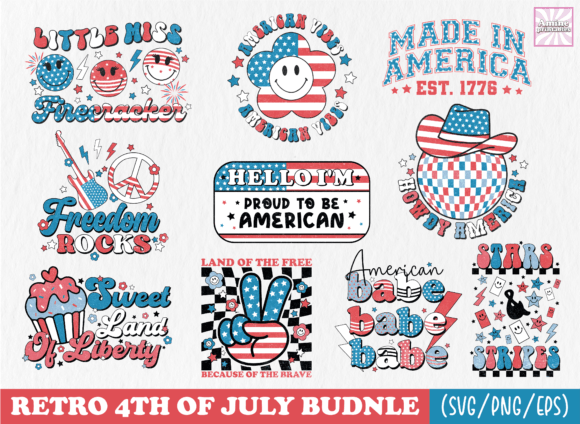
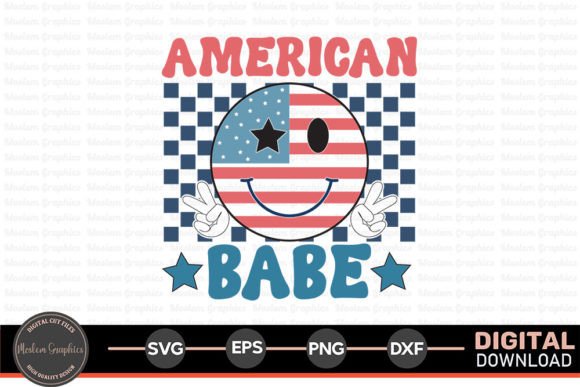
When I first opened the file for American Babe - 4th of July Retro SVG, the immediate takeaway was confidence. The retro aesthetic is strong, leaning heavily into that mid-century Americana vibe that has been dominating social media feeds for years. It doesn’t try too hard. There is no clutter, no excessive script fonts fighting for attention, and no delicate filigree that would turn into a tangled mess during digitization.
The visual personality is bold and playful. For an embroidery project, this translates to high recognition. When someone sees a finished product featuring this design, they immediately understand the theme. It fits perfectly into the category of holiday embroidery where clarity is king. You don’t want a customer squinting at a tiny flag detail on a busy fabric; you want them to feel the spirit of the celebration instantly. This design delivers that punch without requiring a massive hoop size, which is a huge plus for versatility.
Real-World Application: From Screen to Stitch
Let’s talk about real use cases. I imagined this design being applied to a few specific items to test its viability. First, the classic sweatshirt embroidery. A heavy cotton fleece or a French terry hoodie is the perfect canvas for a retro graphic. Because the design relies on strong outlines and solid blocks of color (which you can replicate with fill stitches), it sits beautifully on textured fabrics. It won’t get lost in the weave.
Next, I considered a tote bag design. Canvas bags are a staple for any Etsy seller or craft business. Using this design as a focal point on a sturdy cotton canvas creates a piece of wearable art rather than just merchandise. However, because this is originally a graphics asset, if you are using it as a base for an applique design, you need to be careful. The clean lines make it excellent for applique work, where you cut out the shape from contrasting fabric and satin stitch around the edges. It creates a sharp, dimensional look that elevates the handmade product.
I also tested the mental image of this on a baby embroidery item, like a onesie or a burp cloth. The retro style is timeless enough to work for nursery decor or baby gifts. It feels nostalgic, which appeals to parents buying personalized gifts. It’s not overly cutesy in a way that dates quickly; instead, it feels curated and stylish. This increases the perceived value of the finished product, allowing you to charge a premium for what might otherwise be a standard patriotic item.
Where to Exercise Caution
No design is perfect for every surface, and American Babe - 4th of July Retro SVG is no exception. If you are planning to use this on a curved surface like a baseball cap, you need to ensure your digitization accounts for the curve. Flat designs can sometimes distort when pulled tight over a brim. Test this on a scrap piece of stiff interfacing or a dummy head before committing to expensive materials.
Another area to watch is small details. While the main graphic is bold, check the fine points of the lettering or any small decorative accents. On thin fabrics or stretchy knits, these areas can pucker if the stitch density is too high. If you are embroidering this onto a dark fabric, thread choice becomes critical. You cannot rely on contrast alone if the underlying fabric texture is rough; you may need a tear-away stabilizer to keep the background smooth.
Also, consider the end-use of the garment. If this is going on a kitchen towel or a dishcloth that will be washed frequently, ensure the design isn’t so dense that it holds water and takes forever to dry. Conversely, if it’s on a jacket, you want that density to provide structure. Always inspect small details under bright light before finalizing your digitization.
Practical Designer Notes for Success
To get the best results from this digital embroidery file (once converted), follow these practical steps:
- Test on Scrap Fabric: Never go straight to the final garment. Run a sample on the exact fabric type you plan to sell. This helps you gauge how the fabric texture interacts with the threads.
- Check Thread Color Contrast: The retro palette works best with crisp, saturated colors. Avoid muted or pastel threads unless you are intentionally going for a vintage wash effect. High contrast ensures the machine embroidery design pops.
- Review Stitch Density: If you are converting this yourself, avoid over-stitching. Let the negative space breathe. Too much fill stitch can make the design stiff and uncomfortable against the skin.
- Confirm Licensing: Before you start listing this as a small shop product or selling custom apparel, double-check the license terms. Some design assets allow commercial use of the physical item but prohibit reselling the digital file itself. Protect your commercial embroidery business by being clear on rights.
- Use Proper Stabilizer: For applique design applications, a cut-away stabilizer is often best for durability, especially if the item will be stretched or worn frequently.
Final Verdict
American Babe - 4th of July Retro SVG is a strong contender for anyone looking to add a touch of vintage flair to their embroidery project lineup. It bridges the gap between a simple graphic and a complex textile art piece effectively. It works exceptionally well for personalized gifts, holiday embroidery collections, and craft business inventory.
It isn’t just another clipart file; it’s a versatile foundation for creating high-quality, marketable goods. Whether you are making a single embroidered patch for yourself or producing a batch of caps for a local fair, this design provides the visual weight and aesthetic appeal needed to stand out. Just remember: the quality of your finished product depends as much on your preparation and stitching technique as it does on the design itself. Test thoroughly, choose your threads wisely, and let the retro charm do the rest.
For those in the crafts and Graphics niches looking to expand into textiles, this file offers a seamless transition. It respects the limitations of the medium while maximizing the impact of the message. If you are ready to create something that feels both nostalgic and professionally crafted, this is a smart addition to your library of design assets.