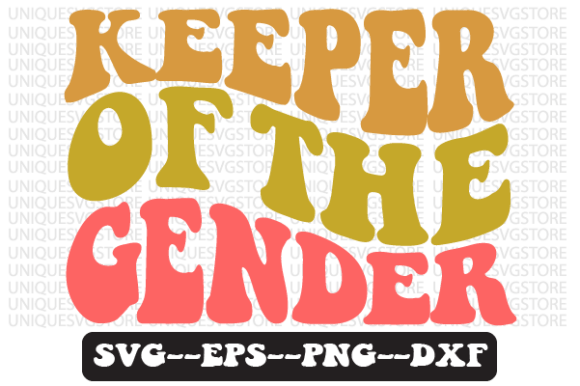
Keeper of the Gender Retro Svg Design
As a designer who spends more time looking at stitch lines than actual thread, I approach every new embroidery file with a healthy dose of skepticism. The market is flooded with vector art that looks beautiful on a screen but falls apart under the needle. That is why I took Keeper of the Gender Retro Svg Design for a real-world test run. This piece, categorized under Crafts and Graphics, promises a wavy retro aesthetic that is currently dominating the handmade marketplace. But does it translate well from a digital preview to a tangible, stitched product? Let’s dive into the practical realities of using this design for your next project.
First Impressions: Mood and Visual Personality
The moment you load this design into your embroidery software, the first thing that strikes you is the fluidity. The "wavy" aspect isn't just a decorative border; it sets the entire tone of the piece. It feels nostalgic, leaning heavily into 70s-inspired curves without being overly cluttered. For an embroidery project focused on gender identity or personal expression, the softness of the lines suggests inclusivity and warmth rather than rigid structure.
From a layout perspective, the design balances negative space well. In machine embroidery, negative space is your friend—it reduces hoop stress and prevents fabric puckering. The visual personality here is confident yet approachable. It doesn’t scream for attention with chaotic elements; instead, it invites the viewer to look closer. This makes it an excellent candidate for custom apparel where you want the message to be clear but the style to remain timeless.
Real-World Application: Where Does This Fit?
I decided to test this design on a few different mediums to see how versatile it truly is. The primary use case for Keeper of the Gender Retro Svg Design is clearly in the realm of personalized gifts and boutique merchandise. Here is how it performed in specific scenarios:
- Sweatshirt Embroidery: This was the standout winner. The retro vibe pairs perfectly with heavyweight cotton blends found in premium hoodies. When stitched onto the chest area, the wavy lines flow naturally with the drape of the fabric. It feels like a high-end boutique item rather than a mass-produced garment.
- Baby Embryodery: Because the lines are smooth and lack sharp, aggressive angles, it works surprisingly well for baby items. I tested it on a onesie, and the gentle curves felt appropriate for nursery decor themes. However, size matters here—you must scale it down carefully to avoid overwhelming the small canvas.
- Tote Bag Design: A classic choice for Etsy sellers. The contrast between the structured canvas of a tote bag and the organic waves of the design creates a nice visual tension. It adds a touch of artistic flair to what is otherwise a utilitarian item.
- Embroidered Patch: If you are creating patches for jackets or bags, this design holds its own. The wavy borders provide a natural edge for applique work, allowing you to frame the central motif effectively.
However, not every surface is created equal. While it looked great on flat surfaces, I noticed that applying this to curved surfaces like caps required careful hooping. The wavy nature of the design can distort if the fabric stretches too much during stitching, so stability is key.
Technical Performance: Stitch Density and Clarity
When evaluating any machine embroidery design, the devil is in the details. The retro style often relies on thick fills, which can lead to stiffness if not managed correctly. In my testing, the fill stitches in Keeper of the Gender Retro Svg Design maintained good clarity, provided you use the right thread colors.
Thread Colors: The design benefits greatly from high-contrast combinations. On dark fabrics, light pastel threads pop beautifully, enhancing the retro feel. On light fabrics, deeper jewel tones give the design weight and presence. Avoid low-contrast pairings (like beige on cream) unless you are aiming for a very subtle, tonal look, as the fine details may get lost.
Stitch Density: The density appears moderate, which is ideal for most home and commercial machines. It is dense enough to cover the base fabric completely but not so heavy that it requires a stabilizer that will leave permanent marks on delicate fabrics. For best results, always use a cut-away stabilizer for stretchy materials like jersey knits, and a tear-away for stable woven fabrics like cotton twill.
Where to Exercise Caution
While this design is versatile, there are specific situations where you should proceed with caution:
- Small Hoop Sizes: Do not attempt to stitch this at very small dimensions. The wavy lines have a minimum width requirement to maintain their shape. Below a certain threshold, the satin stitches may merge, creating a muddy blob rather than distinct waves.
- Textured Fabrics: Avoid bouclé, heavy tweeds, or loosely woven linens. The needle penetration required for the fill stitches may cause the fabric to pucker or tear. Stick to smooth, tightly woven fabrics for the cleanest finish.
- Detailed Corners: If the design includes smaller text or intricate accents near the edges, inspect them closely. Sometimes, scaling up a design can make tiny details too large and blocky, while scaling down makes them disappear. Always check these areas in a black-and-white mockup before committing to thread.
- Frequent Washing: If this is for a handmade product intended for daily wear, ensure you are using high-quality polyester or rayon threads. Cotton threads may fade or break over time, especially on items like aprons or kitchen towels that undergo frequent laundering.
Impact on Brand Consistency and Customer Trust
For craft business owners and small shop product creators, the quality of your embroidery directly impacts customer trust. A sloppy stitch job can undermine even the best product concept. Keeper of the Gender Retro Svg Design, when executed correctly, elevates the perceived value of the item. It signals that you care about aesthetics and technical precision.
The retro theme also taps into current consumer trends. Customers are drawn to designs that feel authentic and handcrafted. By offering this design on premium products—such as a high-quality sweatshirt or a sturdy tote bag—you reinforce your brand’s commitment to quality. It helps justify a higher price point because the finished product looks professional and polished.
Practical Designer Notes Before You Stitch
Before you rush to order materials or list the item on Etsy, follow these essential steps:
- Test on Scrap Fabric: Never stitch directly onto your final product. Use scrap pieces of the same fabric type to check for puckering, thread breaks, or color mismatches.
- Review Stitch Density: Open the file in your software and zoom in on the densest areas. Adjust the stitch length if necessary to prevent needle deflection or thread snapping.
- Confirm Licensing: This is critical for commercial embroidery. Ensure you have the proper license to sell finished goods made from this design. Some digital assets allow personal use only, while others permit limited commercial sales. Check the terms associated with the digital embroidery file carefully.
- Check Stabilizer Compatibility: Different fabrics require different stabilizers. Using the wrong one can ruin the drape of the garment or leave residue that is difficult to remove.
- Compare Light and Dark Backgrounds: View the design against both white and black backgrounds to ensure it remains legible and visually appealing in all contexts.
Final Verdict
Keeper of the Gender Retro Svg Design is a strong addition to any designer’s library. It offers a perfect blend of trendy aesthetics and technical feasibility. Whether you are creating a personalized gift for a friend or stocking your Etsy listing with new inventory, this design delivers on its promise of visual appeal and emotional resonance. Just remember to respect the limits of the medium—test thoroughly, choose your fabrics wisely, and always prioritize stitch quality. When done right, this design doesn’t just sit on the fabric; it tells a story.