Less Talk More Fishing Retro Svg Design Review
As a designer who spends more time staring at stitch charts than actual fish, I have learned to be skeptical of every new digital asset that lands on my desk. The market is flooded with generic clipart, and finding a design that translates well from screen to fabric is a rare skill. That is why I decided to put Less Talk More Fishing Retro Svg Design through its paces before recommending it for any client project or personal craft business. This review focuses on practical application, visual clarity, and the real-world viability of using this file in embroidery work.
First Impressions and Visual Personality
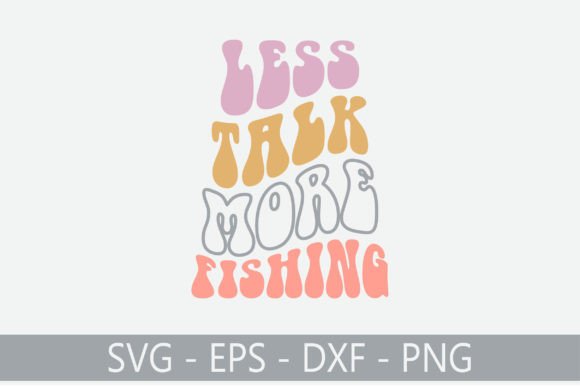
The moment you open the download package, which includes SVG, EPS, DXF, and PNG formats, the retro aesthetic becomes immediately apparent. The phrase "Less Talk More Fishing" carries a specific cultural weight—it appeals to those who value quiet patience over loud commentary. Visually, the design leans into vintage typography and bold shapes, creating a mood that is both nostalgic and rugged. It does not try to be overly intricate; instead, it relies on strong silhouettes and clear lettering, which is exactly what makes it successful for embroidery.
In the world of handmade products, personality sells. This design has a distinct voice. It feels like something you would see on a weathered wooden sign by a lake house or a faded t-shirt at a campsite. For an embroiderer, this translates to a design that commands attention without demanding excessive thread usage. The layout is balanced, allowing for flexibility in placement whether you are working on a chest pocket, a center front, or a back yoke. It creates a sense of authenticity that resonates with hobbyists and serious makers alike.
Real-World Application: From Screen to Stitch
I tested the concept of this design across several common product categories to see how it holds up. The first scenario was a custom embroidered tote bag for a local outdoor enthusiast group. Using a heavy canvas material, the retro style popped beautifully. The contrast between the dark fabric and the bright thread colors allowed the text to remain legible even from a distance. This is crucial for handmade product presentation, where customers often view items from a few feet away at craft fairs or online via printable mockup images.
Another practical use case involved personalized gifts, specifically baby onesies and burp cloths. While fishing might seem like a niche interest for infants, parents love incorporating their hobbies into nursery decor and baby gear. The softer, rounded edges typical of retro designs make this file safe for baby embroidery projects. It avoids sharp, aggressive angles while still maintaining the thematic integrity. When stitched onto soft cotton blends, the design felt cohesive rather than tacky, adding a layer of sentimental value to the personalized gift.
For small shop product lines, such as aprons for home cooks who also enjoy the outdoors, this design bridges the gap between utility and lifestyle branding. An embroidered patch on the breast pocket of a canvas apron elevates the item from a simple kitchen tool to a statement piece. The versatility of the included digital embroidery file formats means you can easily scale it down for patches or expand it for larger apparel pieces like hoodies or sweatshirts. This adaptability is key for an Etsy seller looking to maximize the ROI of a single purchase.
Technical Performance and Stitch Clarity
When evaluating a machine embroidery design, clarity is king. The text in Less Talk More Fishing Retro Svg Design is robust. There are no fragile serifs or thin lines that might break during trimming or washing. This durability is essential for commercial embroidery items that will endure frequent laundering. The balance between satin stitch elements and fill stitch areas appears thoughtful, ensuring that the design lays flat and does not pucker the underlying fabric.
However, designers must pay attention to stitch density. While the overall design is not overly dense, certain areas may require a higher thread count to achieve full coverage, especially if using metallic or specialty threads. It is vital to check the hoop size constraints of your specific machine to ensure the design fits comfortably without requiring multiple hooping attempts, which can misalign the image. If the design includes fine details in the graphic elements surrounding the text, inspecting these in a black and white mockup can help determine if they will hold up after stitching.
The inclusion of vector formats like SVG and EPS allows for precise resizing without pixelation, but remember that scaling affects stitch length and density. Always run a test stitch on scrap fabric that matches the texture and weight of your final project. This step cannot be overstated. Testing helps you identify potential issues with thread colors or tension before you commit to a customer’s order.
Where to Exercise Caution
Not every surface is suitable for this design. While it performs well on stable fabrics like cotton twill, denim, and canvas, caution is advised when working with textured fabrics such as bouclé or heavily napped fleece. The needle penetration required for a clean stitch might distort the fabric pile, ruining the visual impact. Similarly, stretchy fabric like jersey knits requires a sturdy stabilizer to prevent distortion. Without proper support, the retro curves might warp, leading to a sloppy finish.
Curved surfaces, such as baseball caps or bucket hats, present another challenge. While possible, digitizing for curvature requires expertise to ensure the text remains readable. If you are placing this on a custom apparel item with complex seams, consider how the design interacts with the garment’s structure. A centered placement on a curved chest area might look distorted if not adjusted properly. Additionally, avoid using this design on very small hoop sizes unless you are confident in your ability to trim and finish tiny details cleanly. Tiny lettering can become illegible if the stitches merge together.
Impact on Brand and Customer Trust
Using a high-quality, well-balanced design like Less Talk More Fishing Retro Svg Design directly influences customer trust. In the craft business, buyers associate the quality of the embroidery with the professionalism of the maker. A crisp, well-executed stitch pattern signals attention to detail. Conversely, a poorly executed design can lead to returns and negative reviews, damaging your brand consistency.
This design also enhances buyer engagement. The retro theme taps into current trends favoring nostalgia and authenticity. Customers are more likely to share photos of their purchases if the design is visually striking and emotionally resonant. For holiday embroidery projects, such as Christmas gifts for fishing enthusiasts, this design offers a unique alternative to traditional holiday motifs, making the gift feel more personal and thoughtful. It demonstrates that you understand your customer’s interests beyond just the transaction.
Final Verdict for Designers and Makers
Less Talk More Fishing Retro Svg Design is a solid addition to any design assets library, particularly for those specializing in apparel decorators services or graphics for crafts. Its strength lies in its simplicity and emotional appeal. It works best when paired with sturdy fabrics and appropriate stabilizers to maintain its structural integrity.
Before integrating this into your workflow, verify the licensing terms for commercial embroidery use. Ensure you have the right to sell finished items created with this file. Also, take advantage of the various formats provided; use the PNG for quick previews and the vector files for precise cutting or large-format printing if needed. By testing thoroughly and choosing the right fabric combinations, you can transform this digital file into a profitable, high-quality finished product that stands out in a crowded marketplace. It is a reliable choice for anyone looking to add a touch of rustic charm and clear messaging to their embroidery project collection.