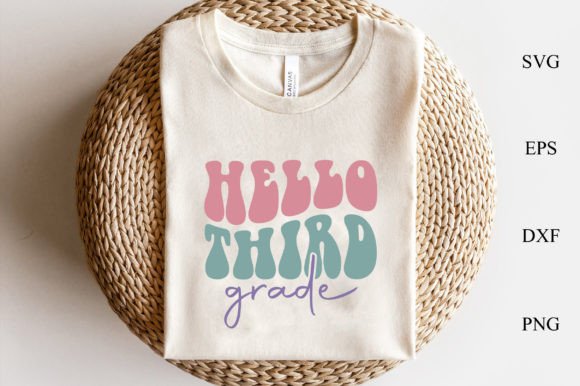
Zooming into Fourth Grade Retro Svg Review
When I sit down to evaluate a new digital asset for my embroidery studio, I am rarely looking for just another pretty picture. I am looking for viability. Can this design survive the tension of a hoop? Will it hold up after twenty washes? Does it translate well from a vector file on a screen to thread on fabric? These are the questions that determine whether a product becomes a bestseller or a regret in the back of a sewing room. This week, I put Zooming into Fourth Grade Retro Svg through its paces. As an experienced designer and reviewer, I want to share my honest take on how this graphic performs when moved from the realm of Graphics and Crafts into actual machine embroidery work.
The First Impression: Mood and Visual Personality
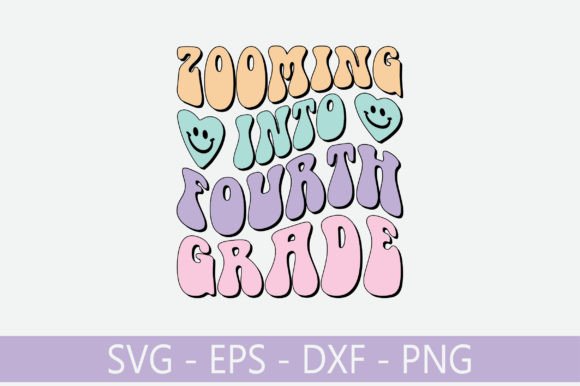
The moment you open the file, the retro aesthetic is unmistakable. The design leans heavily into nostalgic typography and playful shapes that evoke the feeling of elementary school hallways, colorful bulletin boards, and the specific chaos of fourth-grade life. For a machine embroidery design, this mood is a double-edged sword. On one hand, it is highly relatable. Parents, teachers, and grandparents instantly recognize the vibe. It feels warm, approachable, and inherently personal. On the other hand, "retro" can often mean cluttered. My initial assessment is that this design strikes a careful balance. It has enough visual weight to stand out as a statement piece but retains enough negative space to breathe when stitched.
Visually, the layout suggests a central focal point surrounded by supporting elements. This structure is ideal for standard placement embroidery on garments. It doesn’t scream for attention; it invites it. The personality of the design is cheerful without being childish, which makes it surprisingly versatile. It works equally well for a teacher’s lounge sweatshirt as it does for a student’s personalized backpack. When I look at the line art, I see strong potential for both applique design techniques and traditional satin stitching, depending on the final product goal.
Real-World Application: Where This Design Shines
In my experience, the true test of any embroidery file is how it behaves in real-life scenarios. I imagine Zooming into Fourth Grade Retro Svg thriving in several specific categories. First, there is the custom apparel market. A high-quality embroidered patch featuring this design on the chest of a plain black hoodie creates an instant boutique item. The contrast between the dark fabric and the bright retro colors would pop beautifully, assuming the right thread selection.
Second, I see massive potential in the gift-giving sector. This is not just a generic design; it tells a story. It fits perfectly as a personalized gift for a child entering fourth grade, a graduation keepsake, or even a humorous present for a fourth-grade teacher. The emotional connection here drives sales. Customers on platforms like Etsy are not just buying thread and cloth; they are buying a memory. This design captures that sentiment effectively.
Furthermore, consider the tote bag design angle. Canvas bags are a staple for crafters and small business owners. Stitching this retro graphic onto a sturdy canvas tote adds a layer of professionalism and charm. It elevates a simple accessory into a branded item. Similarly, for those working with baby embroidery, while fourth grade is a stretch for infants, the retro style could be adapted for older siblings’ items, creating a cohesive family set. The versatility extends to kitchen towels and aprons for teachers who love to cook, bridging the gap between professional identity and home life.
Technical Considerations and Fabric Choices
However, no design is perfect, and Zooming into Fourth Grade Retro Svg comes with specific technical considerations that every embroiderer must respect. The most critical factor is stitch density. Retro designs often rely on bold outlines and solid fills. If the stitch density is too high, the fabric will pucker, especially on lightweight materials. Before committing to a production run, I strongly advise testing this design on scrap fabric first. Check how the stabilizer interacts with your base material. A cut-away stabilizer is likely necessary for woven fabrics to prevent distortion over time.
Fabric texture also plays a huge role. While this design looks stunning on smooth cotton or polyester blends, it may lose definition on highly textured fabrics like bouclé or thick chenille. The fine details might get lost in the weave. Additionally, avoid using this on stretchy knits unless you are using a heavy-duty stabilizer and proper hooping techniques. The tension required for a clean satin stitch outline can cause stretching issues on jersey or spandex blends if not managed carefully.
Another area requiring caution is small hoop sizes. If you attempt to digitize or use this design in a very small hoop, you risk losing the nuance of the retro typography. The curves may become jagged, and the spacing between elements might feel cramped. It is better to err on the side of a slightly larger hoop size to ensure clarity. Also, inspect the smaller decorative accents closely. In some cases, tiny elements can tangle during stitching if the thread path is not optimized. Running a quick check in black and white mockups can help identify if any details are too faint to distinguish once colored.
Thread Colors and Contrast
The success of Zooming into Fourth Grade Retro Svg hinges entirely on thread colors. Because the design relies on a retro palette, choosing the wrong thread can make it look muddy or dated in an unintended way. I recommend starting with high-contrast combinations. For example, a cream background with mustard yellow and teal threads will bring out the vintage feel. Conversely, using low-contrast colors like pastel pink on light blue will result in a washed-out appearance that lacks impact. Always compare your thread choices against the fabric background under natural lighting before starting the machine.
Commercial Viability and Brand Consistency
For Etsy sellers and small shop product creators, the question of licensing is paramount. While the download includes various formats, including SVG, EPS, DXF, and PNG, you must verify the commercial use rights before listing finished items. Assuming the license permits it, this design offers excellent value. It allows for rapid creation of commercial embroidery products without the need for original digitizing. This speed is crucial for keeping up with trends and seasonal demands, such as holiday embroidery collections or back-to-school rushes.
From a branding perspective, using a cohesive theme like this helps build recognition. If you specialize in educational gifts or retro-themed apparel, adding this design to your catalog reinforces your niche. It signals to customers that you understand their aesthetic preferences. The design’s clean lines and clear message contribute to a professional presentation, which directly influences buyer engagement. People trust brands that pay attention to detail, and a well-executed embroidery job speaks volumes about quality.
Final Verdict
Zooming into Fourth Grade Retro Svg is a strong candidate for anyone looking to expand their repertoire of nostalgic, character-driven designs. It balances charm with practicality, making it suitable for a wide range of projects from custom apparel to embroidered patches. However, it requires respect for the technical aspects of embroidery. Proper stabilizer usage, careful thread selection, and appropriate fabric choices are non-negotiable for achieving a polished result.
I recommend this design for makers who appreciate the blend of humor and nostalgia. It is particularly effective for craft business owners targeting parents and educators. Just remember to test thoroughly, confirm your licensing terms, and always prioritize stitch quality over speed. When executed correctly, this design has the potential to become a staple in your creative toolkit, delivering both aesthetic appeal and customer satisfaction.